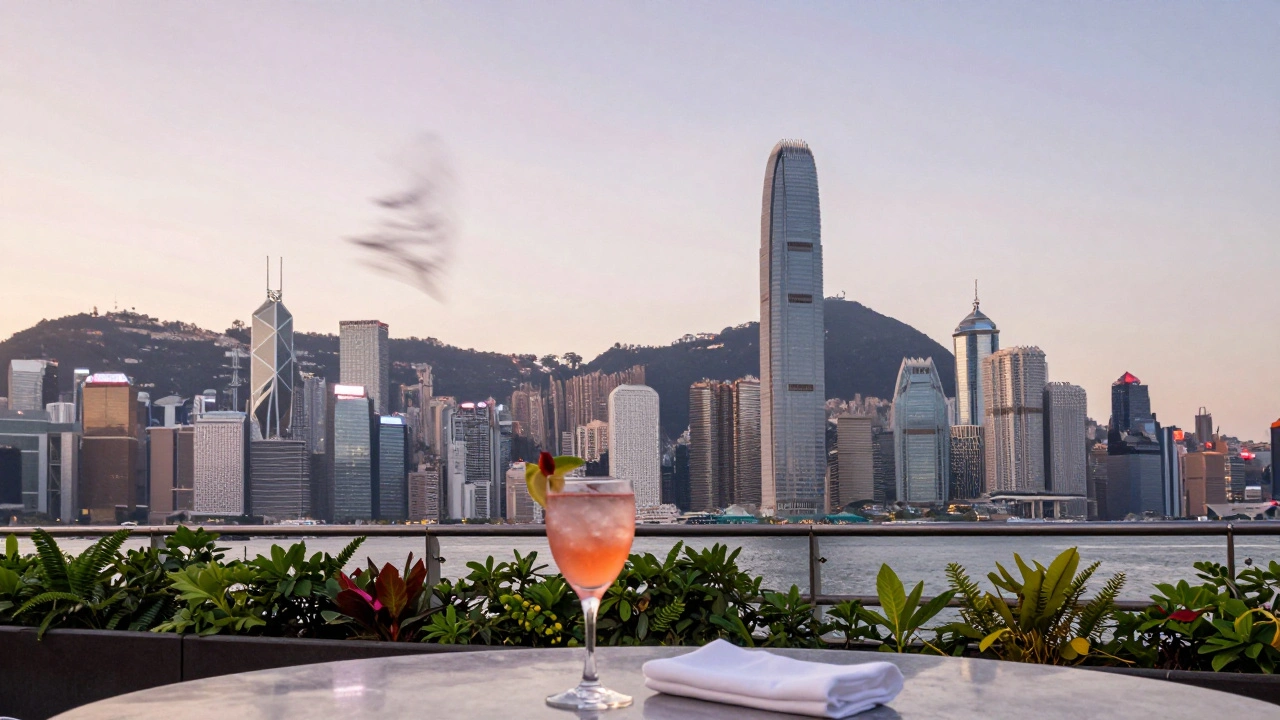
Imagine stepping out onto a stunning skyscraper terrace in Central, cocktail in hand, only to have your napkins fly away and your hair completely ruined by a sudden gale. If you're planning a visit to one of the many rooftop bars in Hong Kong, you'll quickly realize that the view is only half the story. The weather at these heights is a different beast entirely, shifting from oppressive humidity to biting winds in a matter of months.
Whether you are a local looking for the best time to host a party or a traveler wondering if you need a jacket for a midnight drink, understanding the seasonal swing is key. Hong Kong's rooftops aren't just about the altitude; they are subject to a complex dance of monsoons, typhoons, and seasonal shifts that can make a terrace feel like a tropical paradise one day and a wind tunnel the next.
Quick Guide to Rooftop Conditions
- Best Comfort: Mid-to-late March and late October through December.
- Windiest Month: December (averages 12.6 mph).
- Calmest Month: August (averages 9.4 mph).
- High Risk Period: July to September (peak typhoon probability).
- Temperature Range: Generally between 57°F and 90°F.
Spring: The Sweet Spot of Transition
From March to May, Hong Kong rooftops enter a transition phase. For most of us, this is the goldilocks zone. The air is starting to warm up, but the crushing humidity of summer hasn't arrived yet. If you're visiting during this window, you'll notice a shift in how the wind behaves.
Up until mid-April, you'll mostly feel winds coming from the east. After April 19, the pattern flips, and Southerly Winds begin to dominate. Because the average wind speeds are dropping from their winter peaks, this is usually the best time for rooftop maintenance or simply enjoying a terrace without feeling like you're in a wind tunnel. It's a moderate period where the weather is generally predictable and pleasant.
Summer: Calm Air and Tropical Storms
Summer (June through August) is a bit of a contradiction. On a typical day, the rooftops are actually at their calmest. In fact, August is the quietest month of the year for wind, with average speeds hitting a low of 9.4 mph. However, don't let the calm fool you. This is when the Wet Season hits its peak, bringing oppressive heat and heavy overcast skies.
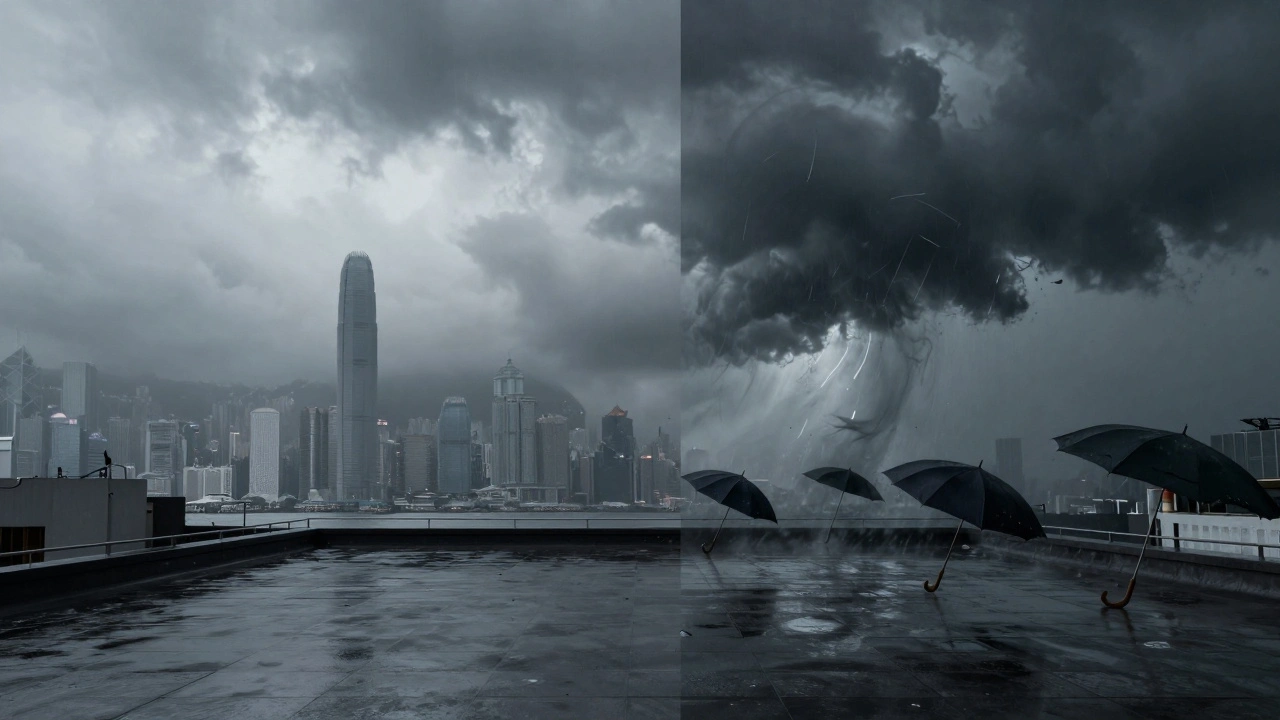
The real danger in summer is the unpredictable nature of the Typhoon Season. While the baseline wind is low, the risk of extreme weather spikes. By late June, southerly winds account for about 72% of the prevailing conditions. When a storm rolls in, the calm vanishes instantly. If you're at a rooftop bar and see the sky turning an eerie shade of grey, it's time to move indoors.
| Season | Primary Wind Direction | Wind Intensity | Main Weather Risk |
|---|---|---|---|
| Spring (Mar-May) | East → South | Moderate | Mild instability |
| Summer (Jun-Aug) | South | Lowest Baseline | Typhoons & Humidity |
| Autumn (Sep-Nov) | South → East | Increasing | Late-season Typhoons |
| Winter (Dec-Feb) | East / North | Highest | Cold gusts/Strong gales |
Autumn: The Return of the Breeze
As September rolls in, the air begins to clear, but the danger hasn't entirely passed. September is often the peak of typhoon activity, with a 50% probability of a major event during the July-September window. Once we hit late October, the weather stabilizes significantly.
You'll notice the wind shifting back toward the east. By October 24, easterly winds are incredibly consistent, hitting a peak occurrence of 63%. This is when the "dry season" kicks in. The air becomes crisp and the visibility improves, making it the perfect time for photography and outdoor lounging. Just keep in mind that as November progresses, the baseline wind speed starts to climb again.
Winter: Battling the High Altitude Gales
If you've ever stood on a rooftop in December, you know it's a different world. Winter is the most challenging season for anyone on a high floor. December is officially the windiest month, with average hourly speeds of 12.6 mph. This is a massive 34% increase in wind exposure compared to August.
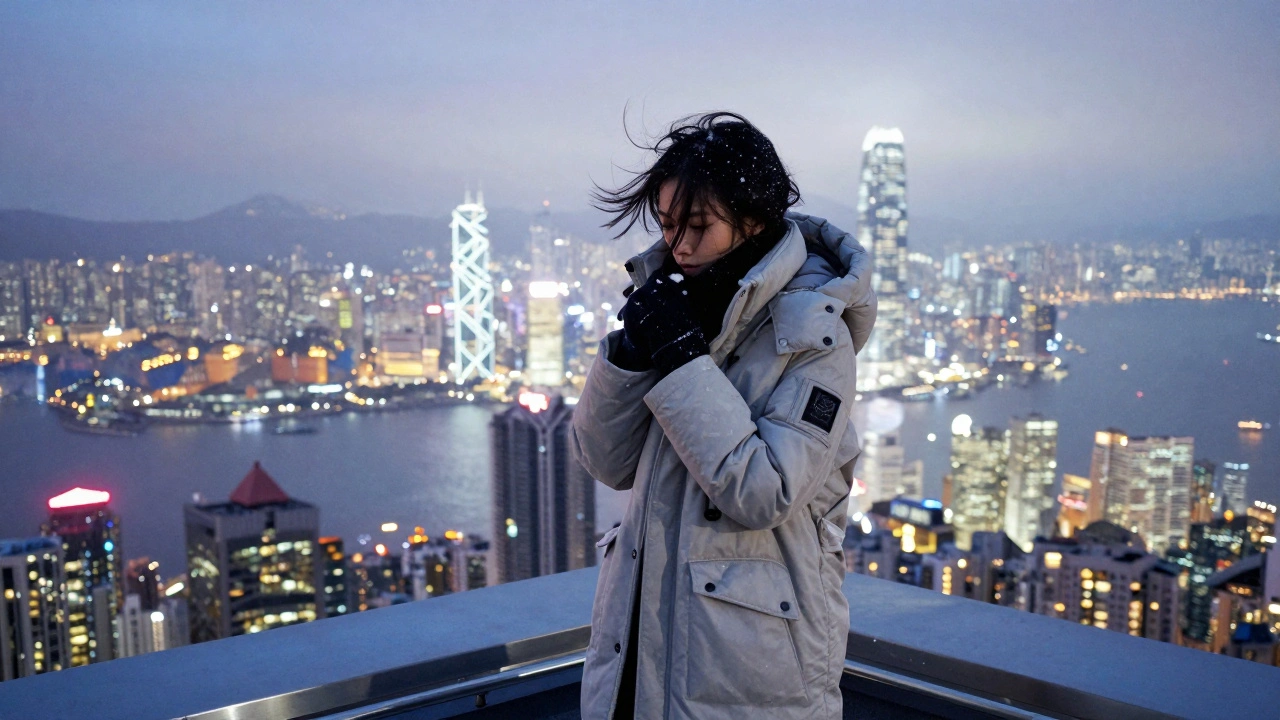
The wind direction also does something strange in early January. For about a month, Northerly Winds take over, peaking around January 1st. These winds often bring cooler air from the north, which, combined with the high wind speeds, can make a rooftop feel freezing even if the ground-level temperature is mild. If you're heading out for a drink in December or January, a heavy coat isn't just a fashion choice-it's a necessity.
Understanding the Typhoon Threat
You can't talk about Hong Kong rooftops without talking about Typhoons. These aren't just rainstorms; they are massive atmospheric events that can shut down the entire city. The Hong Kong Observatory (the city's meteorological authority) categorizes these events by wind speed, and the difference matters when you're 50 stories up.
A standard Tropical Storm brings winds between 39 and 73 mph. Once you cross that 73 mph threshold, you're in "Typhoon" territory. If winds exceed 150 mph, it's a "Super Typhoon." While most of these wind spikes only last a few hours, the eye of a storm can keep high winds howling for up to 8 hours. This is why most rooftop venues have strict protocols for securing furniture and closing terraces the moment a signal is raised.
Pro Tips for Rooftop Planning
So, how do you actually use this info to have a better night out? First, check the real-time data. The Hong Kong Observatory provides 24-hour time series data for locations like Central Pier and Green Island, which gives you a good hint of what the wind is doing near the harbor.
If you're planning a big event, avoid the December wind peak and the August humidity peak. Aim for the window between late October and late December. During this time, the easterly winds are consistent, the air is dry, and the temperature usually sits comfortably between 57°F and 75°F. Also, always check the "gust potential." An average wind of 12 mph is fine, but a gust of 24 mph can blow a cocktail glass right off a table.
When is the absolute best time to visit a rooftop bar in Hong Kong?
The most comfortable periods are generally from mid to late March and from late October to late December. During these windows, you avoid the extreme humidity of summer and the most intense wind gales of mid-winter, while enjoying clear skies and mild temperatures.
How windy does it actually get on Hong Kong rooftops in winter?
December is the windiest month, with an average hourly wind speed of 12.6 mph. However, gusts can be much higher. The wind exposure in December is about 34% higher than in August, making it the most challenging time for outdoor activities.
What should I do if a typhoon warning is issued while I'm at a rooftop?
Follow the staff's instructions immediately. Most venues will move guests indoors and secure all furniture. Typhoon winds can escalate quickly, with Tropical Storm conditions starting at 39 mph and Super Typhoons exceeding 150 mph. Do not stay on an open terrace during a high-signal warning.
Which direction does the wind usually blow from?
It depends on the month. From January to April and August to December, the wind is predominantly easterly. From mid-April to August, southerly winds dominate (peaking at 72% in June). There is a brief window in early January where northerly winds prevail.
Is it always humid on the rooftops?
Not always. Hong Kong has a distinct wet season (hot and oppressive) and a dry season (comfortable and clear). The dry season typically makes rooftop visits much more pleasant, especially from October through December.