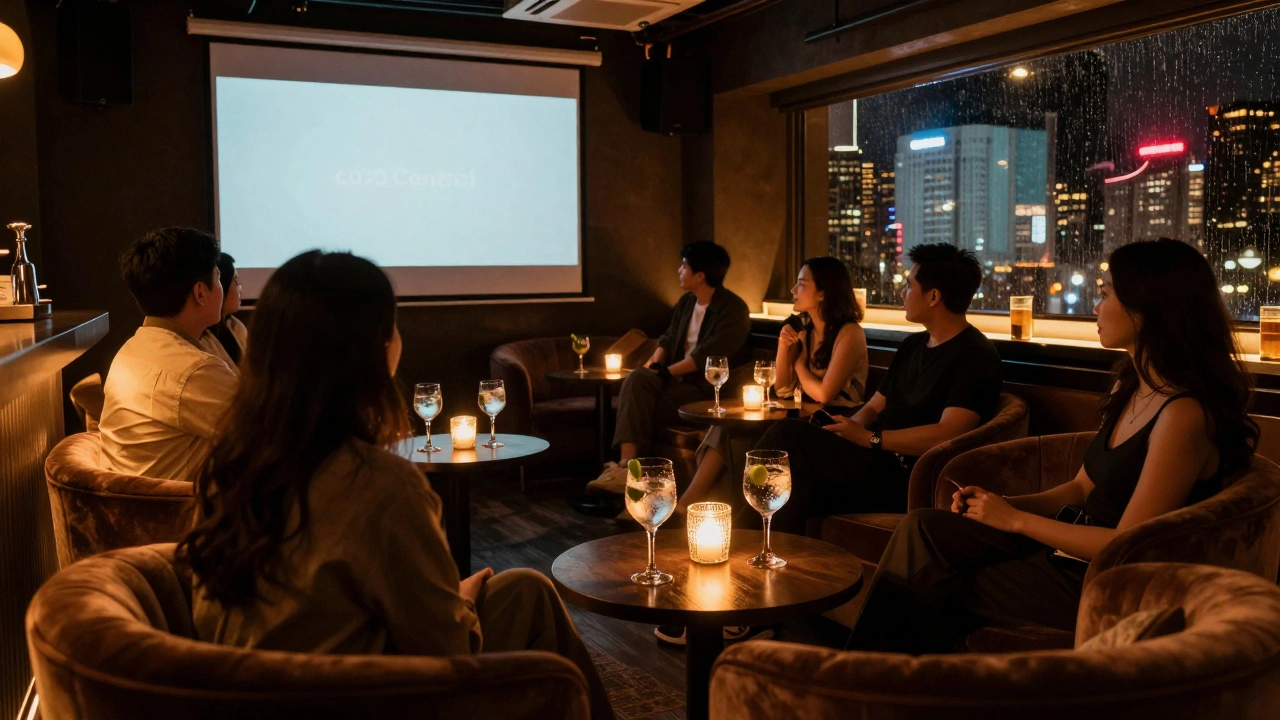
Finding these events requires a bit of digging because they rarely have a formal calendar. Unlike big cinema chains, queer film nights in Hong Kong usually happen as pop-up events or community-led initiatives within the city's LGBTQ+ nightlife circuit. They turn a cocktail lounge or a dive bar into a sanctuary for a few hours, blending the social energy of a bar with the intimacy of a film club.
The Heart of the Scene: Where Cinema Meets Nightlife
Most of these screenings happen in areas like Sheung Wan, Central, and Tsim Sha Tsui, where the queer scene has deep roots. While some venues are known for loud music and dance floors, others prioritize a "living room" vibe that makes them perfect for screenings. For instance, T:me Bar is a long-standing social hub in Central known for its welcoming atmosphere. While it's primarily a spot for drinks and socializing, its role as a community anchor makes it the kind of place where organic, grassroots film discussions and small-scale screenings can thrive.
Then you have spots like FLM is a trendy venue in Sheung Wan that caters to a diverse LGBTQ+ crowd. The shift from a standard bar night to a film screening usually involves a conscious choice by the community to slow down. Instead of a drag show, the focus shifts to a screen, allowing people to discuss identity, politics, and art over a few rounds of drinks. It's less about the "cinema experience" and more about the shared emotional response to a story.
| Venue Type | Vibe | Best For... | Typical Programming |
|---|---|---|---|
| Lounge Bars | Intimate & Chill | Indie shorts & Discussions | Curated art house films |
| Club Spaces | High Energy | Visual Art & Music Videos | Queer fashion/music docs |
| Community Hubs | Inclusive & Social | Educational & Historical | LGBTQ+ history & activism |
Why Bars are the Perfect Venue for Queer Cinema
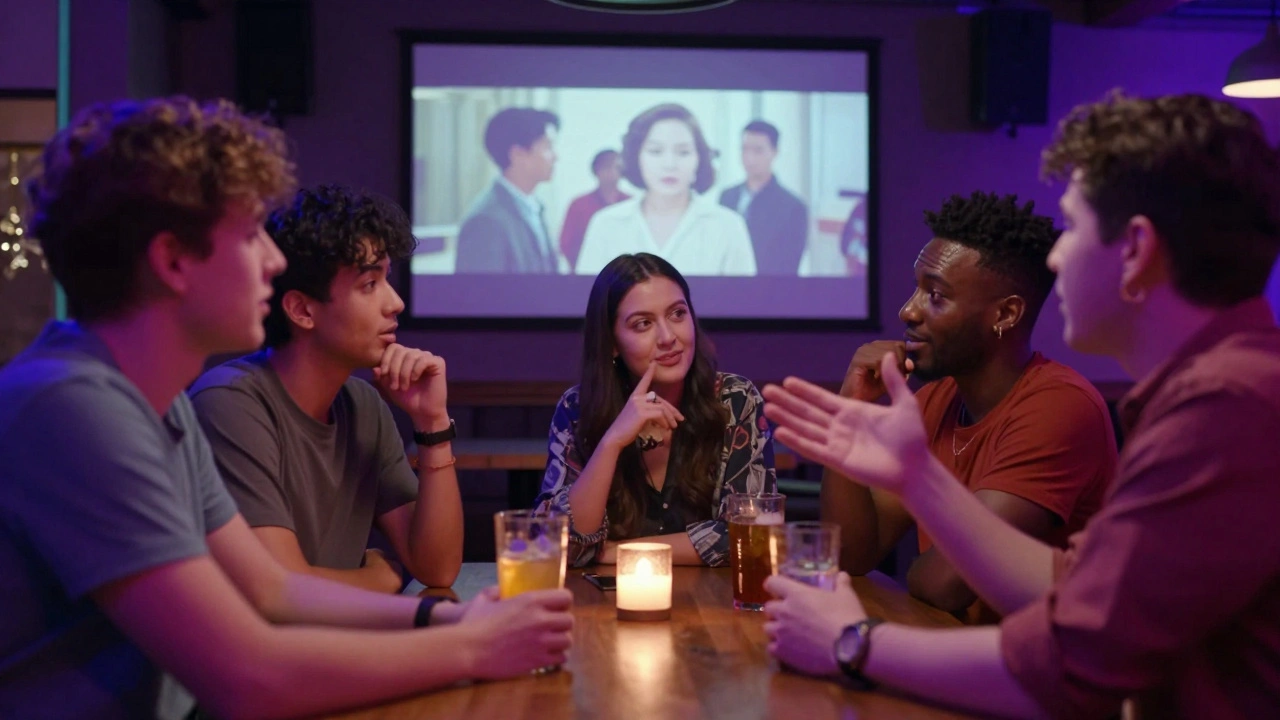
You might wonder why people would choose a bar over a proper movie theater. The answer is simple: safety and accessibility. For many in the LGBTQ+ community, the traditional cinema can feel sterile or exposing. A bar, however, is a known quantity. It's a place where you're already accepted. By bringing the film into the bar, the organizers remove the barrier between "art" and "life." You don't have to sit in silence for two hours; you can whisper a joke to your neighbor, laugh out loud, or pause the film to debate a specific scene.
This format also allows for a unique blend of media. It's not uncommon for a screening to be paired with a live panel or a Q&A session. For example, a night dedicated to queer Asian cinema might start with a short film and end with a conversation about the challenges of representation in local media. The bar setting keeps the mood casual, which encourages more people to speak up and share their own experiences.
Curating the Content: What Gets Screened?
The programming for these nights is usually curated by passionate individuals or small collectives rather than corporate programmers. This means you'll see a wild mix of content. One night might feature a retrospective of New Queer Cinema is a movement from the early 1990s that challenged traditional narrative structures in LGBTQ+ films, while the next could be a showcase of local Hong Kong shorts produced by emerging creators.
There is a strong emphasis on intersectionality. Organizers often look for films that highlight the experiences of queer people of color, trans individuals, and those navigating the specific pressures of East Asian family structures. This curation serves as a form of activism. By showing these films in a public (though niche) space, they are validating identities that are often erased from the city's commercial cinema screens.
Navigating the Community: How to Find These Events
Since most of these events aren't listed on major ticketing sites, you have to use the "community grapevine." The best way to stay in the loop is through social media groups and direct connections with bar owners. If you're frequenting spots like Zoo Bar in Tsim Sha Tsui or Wink in Causeway Bay, keep an eye on their Instagram stories or the flyers taped to the bathroom mirrors. These are the primary communication channels for the underground scene.
Don't be afraid to ask the staff. The bartenders in Hong Kong's queer bars are often the keepers of the schedule. They know who is organizing the next "Secret Cinema" night or which collective is planning a marathon for Pride Month. Engaging with the staff not only gets you the info but also integrates you into the social fabric of the venue.
The Ripple Effect: From the Bar to the Big Screen
These community screenings do more than just provide a night of entertainment. They act as a testing ground for local filmmakers. A director might screen a rough cut of a project at a bar to get honest, immediate feedback from their target audience before submitting it to an international festival. It's a raw, unfiltered feedback loop that you just can't get in a formal screening room.
Furthermore, these nights often lead to larger collaborations. A conversation started over a drink during a screening of a documentary on queer rights might evolve into a community project or a new art collective. The bars essentially function as incubators for queer culture in Hong Kong, where the cinema is the spark that ignites the conversation.
Do these film nights cost money to attend?
It varies. Some are free, with the bar making money through drinks, while others have a small cover charge to pay the organizers or the filmmakers. Always check the event post or ask the bartender.
Are these events open to allies?
Yes, almost all queer film nights in Hong Kong bars are inclusive. The goal is community building, and allies are welcome as long as they are respectful of the space and the themes being discussed.
Can I suggest a film for a screening?
Absolutely. Since these are community-driven, organizers are usually open to suggestions. The best way is to reach out to the event curator via Instagram or during a live screening.
Where are the best areas to find these bars?
Central and Sheung Wan are the primary hotspots for LGBTQ+ venues, though Tsim Sha Tsui also has a strong presence with established bars that occasionally host community events.
Is it the same as a film festival?
Not really. While festivals are structured and formal, bar screenings are spontaneous and social. They prioritize the community experience over the academic or professional side of cinema.
Next Steps for Movie Lovers
If you're new to the scene, start by visiting a few of the established hubs like T:me or FLM just to get a feel for the crowd. Once you've made a few connections, the "hidden" events will start appearing in your feed. If you're a filmmaker, don't hesitate to approach the owners of smaller venues with a proposal; many are looking for ways to diversify their offerings and would love to host a curated queer cinema night.
For those who want a more structured experience, look for events coinciding with Pride Month in June. This is when the majority of these pop-up screenings happen, often paired with larger celebrations like the Draglicious events. It's the easiest time to enter the circuit and find a community of like-minded film buffs.